
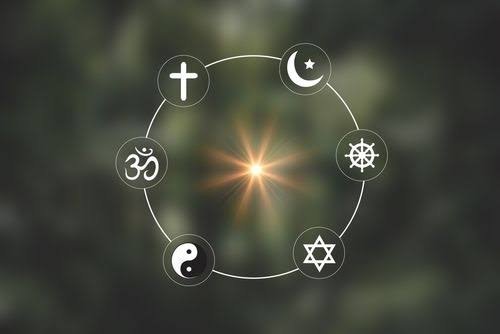
Religious beliefs have been an essential part of human civilization for thousands of years. Across different cultures and traditions, religion has influenced people’s values, behaviors, and ways of understanding the world. While beliefs and practices vary widely, religion continues to play an important role in the lives of many individuals by providing purpose, moral guidance, and a sense of community.
Providing Meaning and Purpose
One of the most significant contributions of religious beliefs is the sense of meaning they offer. Religion often helps people answer profound questions about life, such as why we exist, how we should live, and what happens after death. These beliefs can provide comfort during times of uncertainty and help individuals navigate life’s challenges with hope and resilience.
Encouraging Moral Values

Many religions promote ethical principles such as honesty, compassion, kindness, forgiveness, and respect for others. These values encourage people to act responsibly and contribute positively to society. Although moral values can come from many sources, religious teachings have historically played an important role in shaping ethical behavior for millions of people around the world.
Building Strong Communities
Religious communities often bring people together through shared beliefs, traditions, and celebrations. Places of worship and religious gatherings create opportunities for friendship, mutual support, and service to others. Many faith-based organizations also contribute to society by providing education, healthcare, disaster relief, and assistance to those in need.
Offering Comfort in Difficult Times
Life includes moments of joy as well as periods of loss, illness, and hardship. Religious beliefs can provide emotional strength by encouraging hope, prayer, meditation, or reflection. For many people, faith offers reassurance and helps them cope with difficult circumstances while maintaining a positive outlook.
Preserving Culture and Traditions

Religion is closely connected to cultural heritage in many societies. Festivals, rituals, music, architecture, literature, and art are often inspired by religious traditions. These practices help preserve history and strengthen cultural identity across generations while enriching the diversity of human civilization.
Promoting Respect and Understanding

In today’s interconnected world, people encounter individuals from many different religious and non-religious backgrounds. Learning about diverse beliefs can foster empathy, mutual respect, and peaceful coexistence. Recognizing that people may hold different convictions encourages dialogue and cooperation while respecting each person’s freedom of belief.
Conclusion
Religious beliefs continue to influence individuals and societies in meaningful ways. For many people, they provide purpose, moral guidance, emotional support, and a sense of belonging. At the same time, respecting the diversity of beliefs—including the choice not to follow a religion—is essential for building inclusive and harmonious communities. By promoting understanding, compassion, and respect, people of all backgrounds can work together to create a more peaceful and supportive world.