
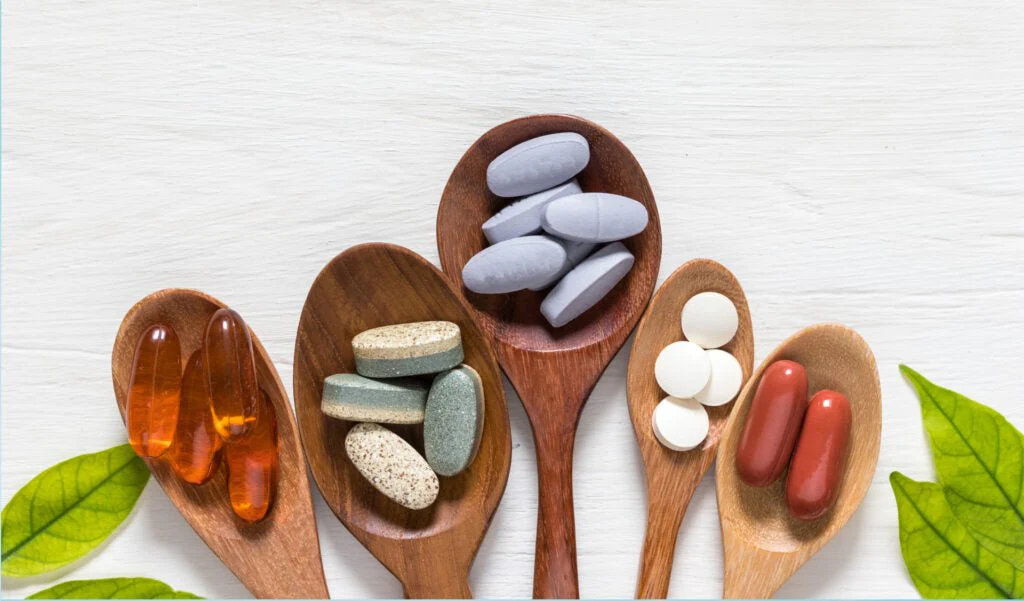
Health Supplements: What Everyone Should Know Before Taking Them
Health Supplements: Helpful, But Not a Magic Solution
Health supplements have become increasingly popular as people look for ways to improve their health, boost energy, and fill nutritional gaps. From multivitamins and protein powders to herbal products and omega-3 capsules, the market offers thousands of options. While many supplements can be beneficial, they should be used wisely and with proper awareness.
What Are Health Supplements?
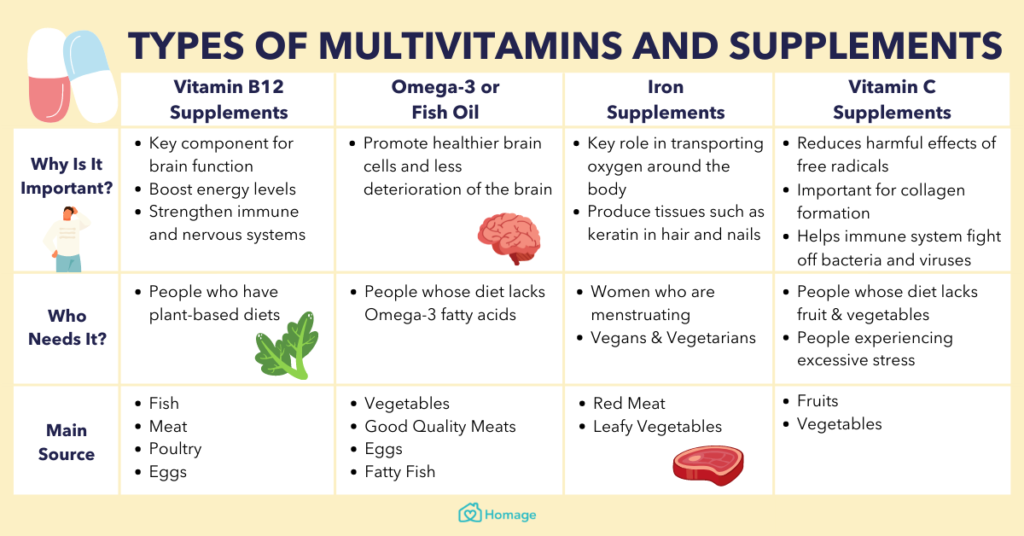
Health supplements are products designed to provide nutrients that may be missing from your daily diet. They can contain vitamins, minerals, amino acids, herbs, enzymes, probiotics, or other ingredients that support overall health. Supplements come in many forms, including tablets, capsules, powders, gummies, and liquids.
Why Do People Take Supplements?
People use supplements for various reasons, including:
- Supporting overall health and wellness.
- Filling nutritional deficiencies.
- Improving bone and joint health.
- Supporting heart and brain function.
- Enhancing athletic performance and recovery.
- Strengthening the immune system.
- Promoting healthy skin, hair, and nails.
While supplements can help in certain situations, they work best when combined with a balanced diet, regular exercise, adequate sleep, and healthy lifestyle habits.
Common Myths About Health Supplements
Myth 1: More Is Better
Taking higher doses does not necessarily produce better results. In fact, excessive amounts of certain vitamins and minerals can be harmful.
Myth 2: Natural Means Safe
Many herbal and natural supplements can interact with medications or cause side effects. “Natural” does not always mean risk-free.
Myth 3: Supplements Can Replace Healthy Food
No supplement can provide all the benefits of a nutritious diet. Whole foods contain fiber, antioxidants, and other beneficial compounds that supplements cannot fully replicate.
How to Choose Supplements Safely
Before purchasing a supplement, consider the following:
- Consult a healthcare professional, especially if you are pregnant, breastfeeding, have a medical condition, or take prescription medications.
- Choose products from reputable manufacturers that follow quality standards.
- Read the ingredient list carefully.
- Avoid products that promise “instant cures” or “miracle results.”
- Follow the recommended dosage on the label unless advised otherwise by a healthcare provider.
Who May Benefit from Supplements?
Some people may have a greater need for supplements, including:
- Older adults.
- Pregnant women.
- People with diagnosed vitamin or mineral deficiencies.
- Individuals following restrictive diets, such as vegan or vegetarian diets.
- People with certain medical conditions that affect nutrient absorption.
A healthcare professional can determine whether supplementation is necessary through medical evaluation and, in some cases, blood tests.
Possible Risks

Improper use of supplements may lead to:
- Allergic reactions.
- Side effects such as nausea, headaches, or digestive issues.
- Interactions with prescription medications.
- Vitamin or mineral toxicity from excessive intake.
- Delayed medical treatment if supplements are used instead of appropriate healthcare.
Tips for Better Health
Instead of relying solely on supplements:
- Eat a balanced diet rich in fruits, vegetables, whole grains, lean proteins, and healthy fats.
- Stay physically active.
- Drink enough water.
- Get sufficient sleep every night.
- Schedule regular medical checkups.
- Use supplements only when needed and under professional guidance.
Final Thoughts
Health supplements can play a valuable role in supporting health when used appropriately, but they are not a substitute for healthy eating or medical care. Being informed, reading labels carefully, and seeking advice from qualified healthcare professionals can help you make safe and effective choices. Good health starts with healthy habits, and supplements should be viewed as one part of a well-rounded approach to wellness rather than a quick fix.