
Introduction
A Desi Akhada is much more than a wrestling arena. It is a traditional Indian training ground where athletes develop physical strength, mental discipline, moral values, and respect for their cultural heritage. For centuries, akhadas have played an important role in shaping India’s wrestling tradition, producing legendary wrestlers while preserving ancient methods of fitness and self-improvement.
Even in today’s era of modern gyms and sports science, desi akhadas continue to attract young athletes who value discipline, simplicity, and a connection to India’s rich sporting history.
History of the Desi Akhada
The tradition of akhadas dates back thousands of years. Ancient Indian texts describe wrestling, known as Malla Yuddha, as both a martial art and a competitive sport. Kings and rulers encouraged wrestling by establishing training centers where warriors could improve their combat skills and physical endurance.
Over time, akhadas evolved into community institutions. They became places where experienced gurus trained students not only in wrestling techniques but also in ethics, humility, and self-control. Many famous wrestlers from states such as Uttar Pradesh, Haryana, Punjab, Maharashtra, Rajasthan, and Madhya Pradesh emerged from these traditional centers.
Training Methods
Training in a desi akhada differs significantly from modern gym workouts. Wrestlers focus on functional strength, endurance, flexibility, and body control through natural exercises.
Common training activities include:
- Dands (Hindu push-ups) to build upper-body and core strength.
- Baithaks (Hindu squats) to improve leg power and stamina.
- Rope climbing for grip and upper-body development.
- Running and sprinting for endurance.
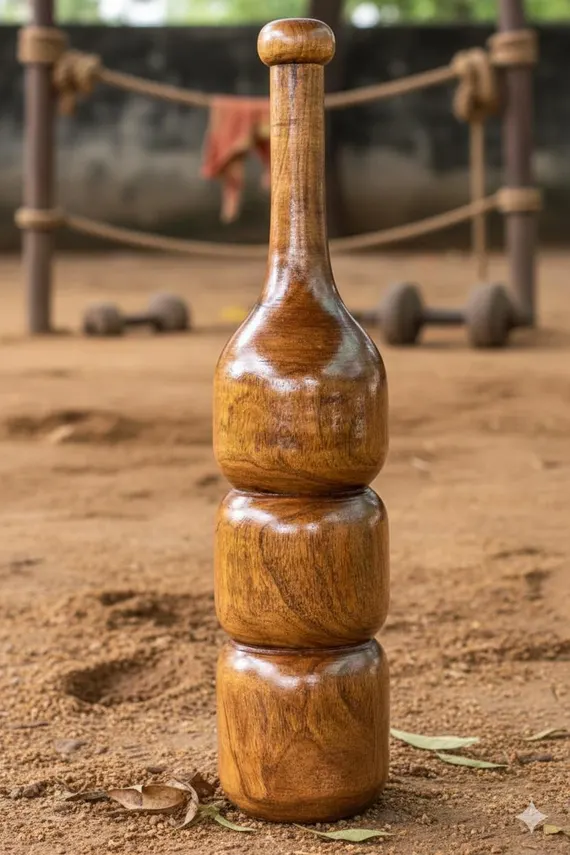
- Lifting traditional equipment such as stone weights, wooden clubs (mugdars), and heavy logs.
- Wrestling practice in a clay pit prepared with soft soil mixed with natural ingredients such as turmeric, mustard oil, and sometimes buttermilk to maintain hygiene and cushioning.
These exercises develop explosive power and overall athletic ability without relying heavily on machines.
Diet of a Traditional Wrestler
Nutrition is considered an essential part of akhada life. Wrestlers typically consume simple, natural, and protein-rich foods that support muscle growth and recovery.
A traditional wrestler’s diet often includes:
- Fresh milk
- Ghee (clarified butter)
- Yogurt
- Almonds and dry fruits
- Lentils
- Seasonal fruits
- Whole wheat chapatis
- Fresh vegetables
Many wrestlers avoid processed foods, alcohol, tobacco, and unhealthy eating habits. Maintaining a disciplined lifestyle is considered just as important as physical training.
Discipline and Values
A desi akhada emphasizes character as much as physical strength. Students are expected to:
- Respect their guru (coach).
- Follow a strict daily routine.
- Maintain personal cleanliness.
- Practice honesty and humility.
- Avoid harmful habits.
- Support fellow wrestlers and train with mutual respect.
This combination of physical and moral education has helped akhadas remain respected institutions for generations.
Famous Indian Wrestlers from Akhada Tradition
Several celebrated Indian wrestlers have roots in traditional akhada culture, including:
- Dara Singh
- The Great Gama
- Sushil Kumar
- Yogeshwar Dutt
Their success demonstrates how traditional training methods can produce athletes capable of competing at the highest levels.
Desi Akhadas in the Modern Era
Today, many akhadas combine traditional exercises with modern sports science. Coaches increasingly incorporate strength training, nutrition planning, physiotherapy, and scientific conditioning while preserving the core values of discipline and hard work.
Government support, wrestling federations, and private academies have also contributed to the revival of traditional wrestling. Events such as local dangal competitions continue to attract thousands of spectators, keeping the sport vibrant in rural and urban India alike.
Challenges
Despite their rich heritage, many desi akhadas face challenges such as:
- Limited funding.
- Urbanization reducing available training spaces.
- Competition from commercial fitness centers.
- Lack of modern facilities in some rural areas.
- Reduced interest among younger generations in traditional sports.
Addressing these challenges requires investment in infrastructure, coaching, and promotion while preserving the unique traditions of akhada culture.
Conclusion
The desi akhada represents one of India’s oldest and most respected sporting traditions. It combines physical fitness, discipline, healthy living, and cultural values into a holistic way of life. While modern sports training continues to evolve, the principles taught in traditional akhadas—hard work, perseverance, respect, and simplicity—remain timeless. By preserving and supporting these institutions, India can continue to celebrate a heritage that has produced generations of outstanding wrestlers and inspired countless young athletes.